How to Start Trading Effectively as a Beginner and Choose the Best Approach
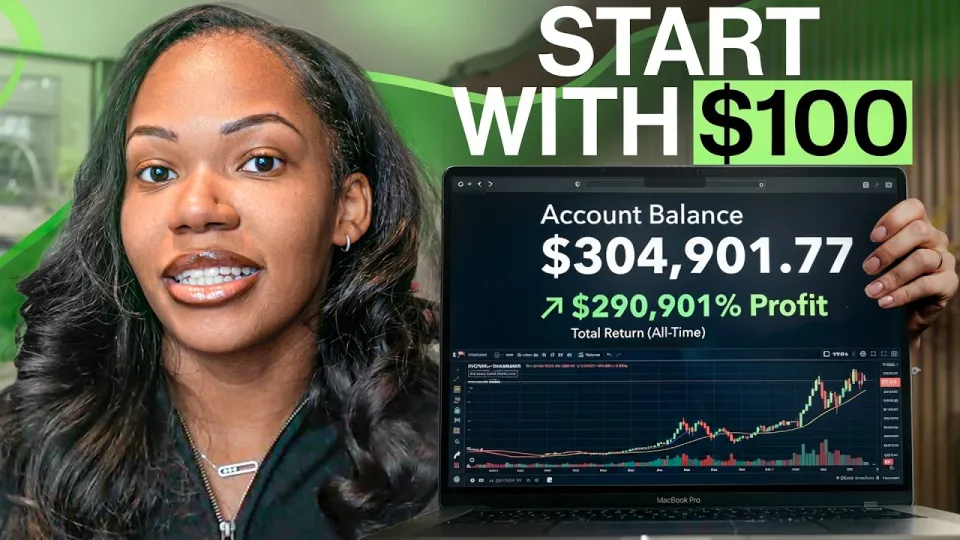
Video: How To Start Trading As A Beginner In 2026 (Step-by-Step)
Want articles like this for your own video to promote it on YouTube and Google? Order them through the Telegram bot @sat_sit_bot. The bot writes and publishes the articles itself (with your YouTube video embedded) on popular topical websites (no ads). Your first 50 articles are free.
· based on the channel Sierra Aaliyah
Trading is the process of buying and selling financial instruments like stocks, options, or futures with the goal of making a profit. For beginners, starting trading effectively means understanding what trading really is, choosing the right financial products, learning key concepts, and using proper tools and strategies. This guide breaks down how to start trading as a beginner and how to choose the best approach for your goals and schedule.
What Trading Actually Is and What It Is Not
Trading is not a get-rich-quick scheme, but a skill that requires patience, discipline, and learning. It involves speculating on price movements in markets such as stocks, options, or futures, aiming to buy low and sell high or profit from price declines. Trading differs from investing because it usually involves shorter time frames and more active management. It is essential to start with realistic expectations and avoid common myths like needing large capital or guaranteed profits.
Understanding Calls, Puts, Options, and Futures
Options trading involves contracts that give you the right to buy (calls) or sell (puts) an asset at a specific price before a set date. Calls profit from price increases, while puts benefit from price decreases. Futures are agreements to buy or sell assets at a future date and price, often used for hedging or speculation. Beginners should choose between options and futures based on their time availability and risk tolerance: options can be more flexible for part-time traders, while futures might suit full-time or institutional traders.
Starting Capital and Why Paper Trading Is Crucial
You don’t need tens of thousands to begin; a starting capital between $300 and $2,000 is sufficient to learn and build experience responsibly. Before risking real money, paper trading (simulated trading) lets you test strategies and understand market behavior without financial loss. If you cannot consistently double your paper trading account, you should not risk real funds yet. Paper trading builds confidence, discipline, and sharpens your decision-making.
Essential Tools: Brokers and Charting Platforms
Selecting the right broker and charting platform is vital. Webull is recommended for beginners due to its user-friendly interface, commission-free trades, and free stock bonuses upon signup (https://www.webull.com/k/SierraUSA). For chart analysis, TradingView offers powerful tools for reading candlesticks and understanding market structure, essential skills for day traders. Learning how to read candlestick patterns and market structure helps identify entry and exit points.
Key Concepts to Master Before Trading Real Money
- Market Structure: Understanding support, resistance, and trend direction is fundamental.
- Candlestick Reading: Learn to interpret price action through candlestick patterns to anticipate market moves.
- Trading Psychology: Manage emotions like fear and greed, maintain discipline, and develop patience to avoid common pitfalls.
Many beginners quit within the first two months due to impatience, poor risk management, or unrealistic expectations. Focusing on these core concepts and practicing consistently can help you avoid early failure.
Addressing Common Beginner Challenges and Questions
Many beginners struggle with chart reading, strategy consistency, and emotional control. It’s normal to face losses early on—trading requires perseverance. Instead of chasing quick profits, focus on gradual growth and learning. Mentorship or joining supportive communities can accelerate progress. Avoid reacting to every tiny market movement; higher timeframes and understanding institutional flow reduce stress and improve results.
Useful Links
- Join Sierra Aaliyah’s trading Discord for mentorship and community support: https://whop.com/c/crystal-academy/youtube
- Sign up for Webull with free stocks bonus: https://www.webull.com/k/SierraUSA
- Follow Sierra Aaliyah on Instagram: https://www.instagram.com/sierra.aaliyah/
- Follow Sierra Aaliyah on TikTok: https://www.tiktok.com/@sierraxliyah
Final Thoughts
Starting trading as a beginner requires realistic expectations, proper education, and disciplined practice. Using platforms like Webull and TradingView, beginning with paper trading, and mastering core concepts like options basics, market structure, and trading psychology pave the way for sustainable growth. Remember, trading is a journey—progress takes time and patience. This guide is inspired by Sierra Aaliyah’s approach, who turned $1,400 into a full-time trading career and now teaches thousands how to trade effectively. For those ready to learn seriously, joining her community through the provided links is a great next step.
Key takeaways
- Start trading with $300 to $2,000 recommended capital
- Understand calls vs puts and options vs futures basics
- Use paper trading to practice risk-free before investing real money
- Master market structure, candlestick reading, and trading psychology
- Webull and TradingView are top platforms for beginners
Source: How To Start Trading As A Beginner In 2026 (Step-by-Step) · Markdown version
Questions & answers
Do I need a large amount of money to start trading?
No, you do not need a large amount of money to start. It is recommended to begin with $300 to $2,000 to learn and practice trading responsibly without excessive risk.
What is the difference between options and futures trading?
Options give you the right but not the obligation to buy or sell assets at a set price before expiry, involving calls and puts. Futures are contracts obligating the purchase or sale of assets at a future date and price. Beginners should choose based on their schedule and risk tolerance.
Why is paper trading important for beginners?
Paper trading allows beginners to practice trading strategies without risking real money. It builds necessary skills and confidence. If you cannot make consistent profits on paper, you should avoid real trading to prevent losses.
Is trading a get-rich-quick scheme?
No, trading is not a get-rich-quick scheme. It requires time, education, patience, and discipline. Many beginners face losses initially, and success comes from consistent learning and risk management rather than quick profits.